Our classroom environments speak before we do. The way a room is arranged can either invite focus—or compete for it. This month’s Coaching Corner highlights the power of less and how intentional room arrangement can increase engagement, clarity, and learning.
🪑 This Month’s Focus: Designing Spaces for Learning
A well-arranged classroom doesn’t require more materials—it requires purpose. When spaces are uncluttered and thoughtfully designed, students are better able to focus on instruction, collaborate effectively, and move with intention.
🧠 Coaching Tip
Ask yourself:
Does every piece of furniture serve a clear instructional purpose?
Are pathways clear for student movement and teacher circulation?
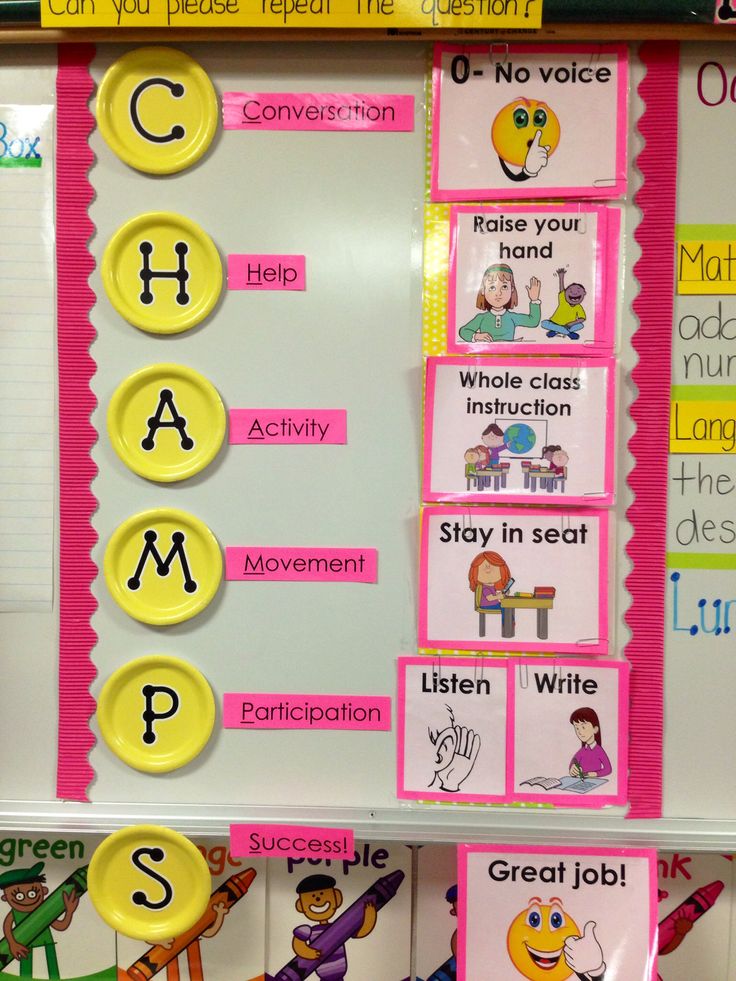
Do wall displays support current learning or compete for attention?
Less visual noise creates more cognitive space for learning.
✨ Try This This Week
Simplify one area of your room (a table, shelf, or wall) and notice the impact.
Ensure student-facing visuals connect directly to what is currently being taught.
Create clear zones (whole group, small group, independent work) so students know where learning happens.
Leave some wall space intentionally blank—this helps anchor attention on instruction.
🔍 Coaching Reflection
How did students respond to the simplified space?
Did transitions feel smoother?
Did you notice increased focus or independence?
🐾 PAWSitive Note
Intentional environments support calm, clarity, and confidence. By embracing the power of less, we create classrooms that allow student thinking—and learning—to take center stage.