Professional Learning

Humble Beginnings

September 2025

The Power of Positive Relationships

Starting your teaching journey often feels like juggling lesson plans, grading, meetings, and a hundred other “must-dos.” In the rush, it can be easy to focus on procedures, pacing guides, and standards. But here’s the truth: classroom management starts and ends with relationships.

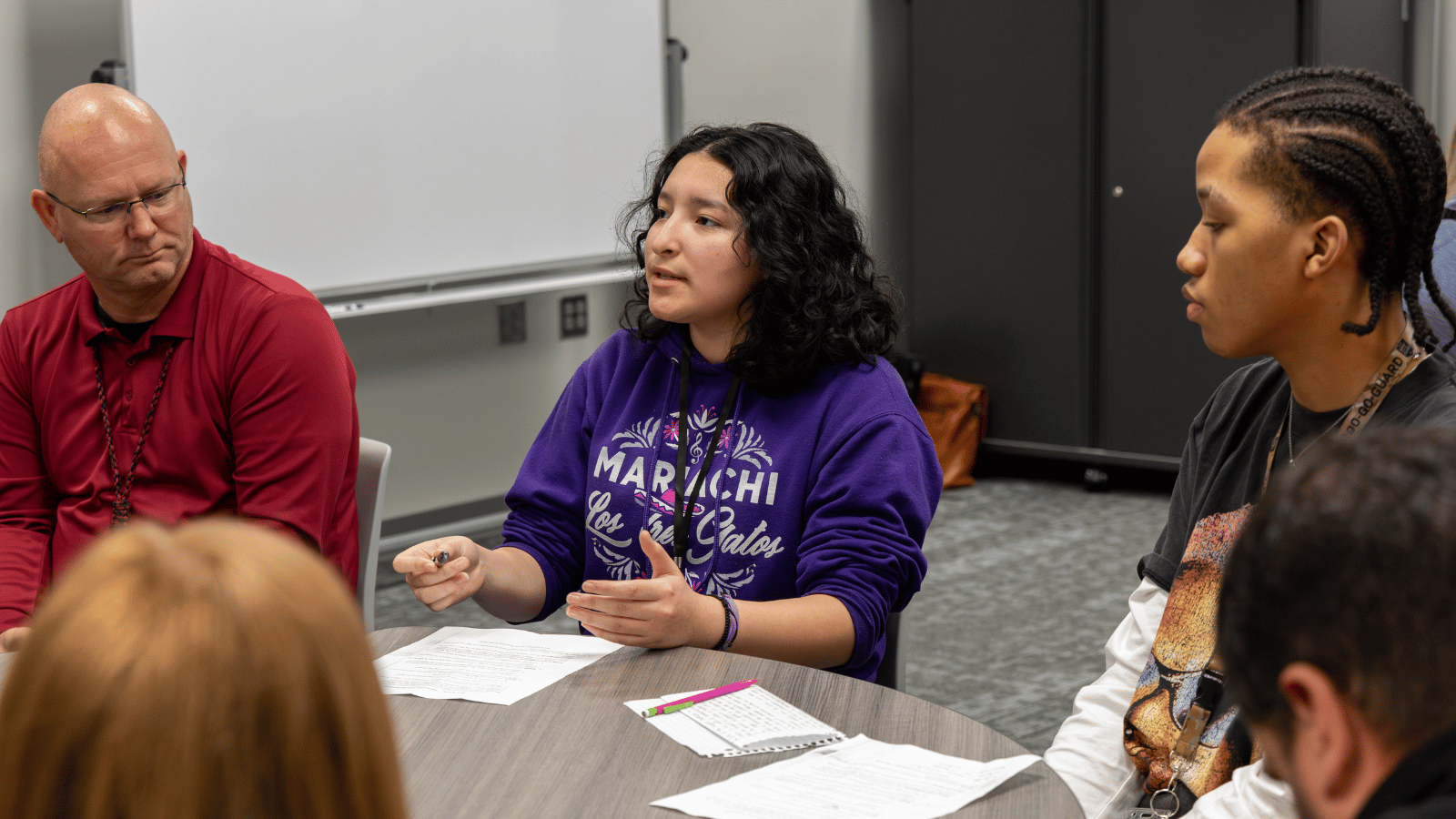
When students feel seen, respected, and valued—not just by you, but by their peers—they are far more likely to engage, follow expectations, and contribute to a positive learning environment.

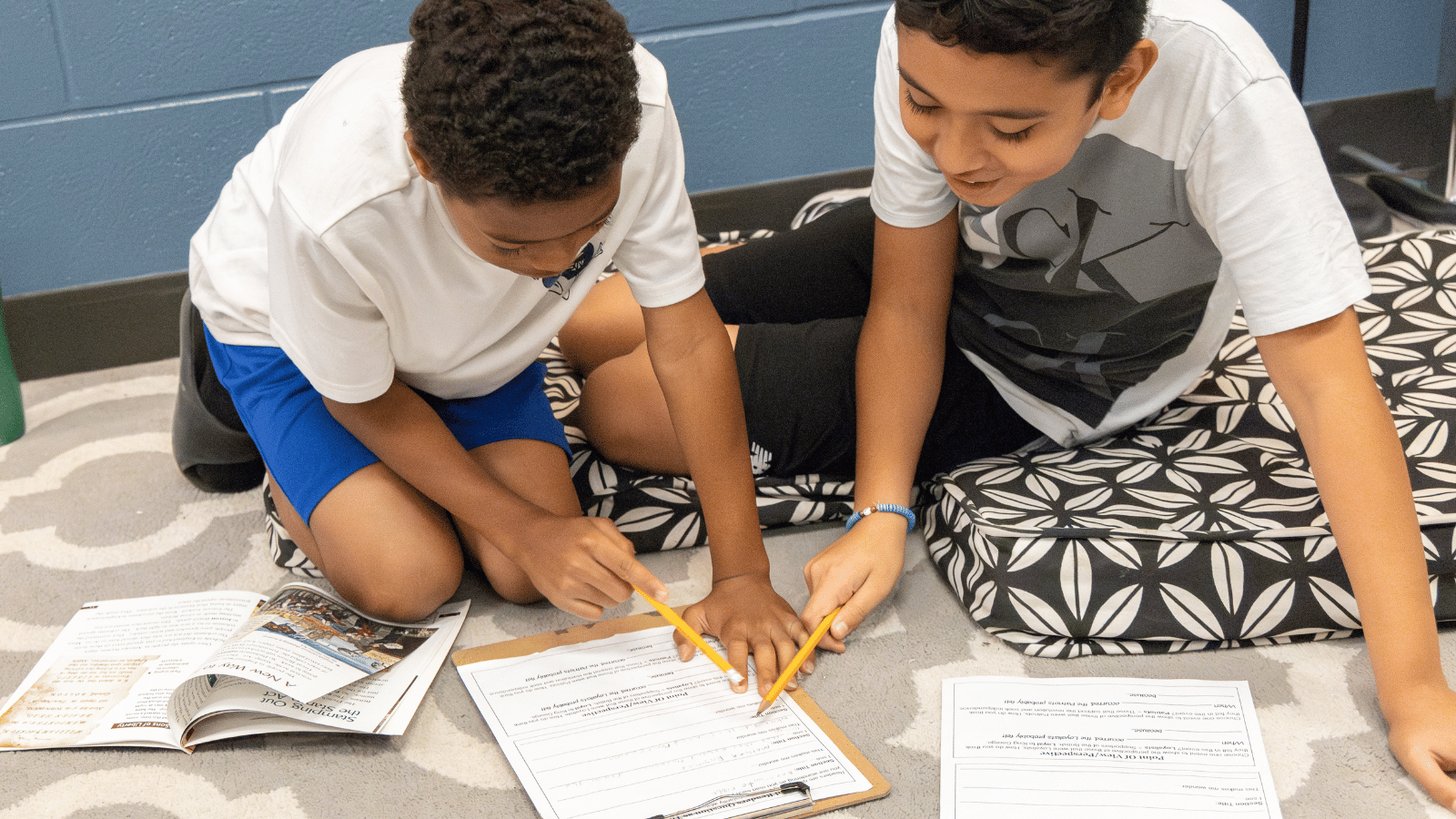
Building relationships doesn’t mean becoming friends with students or staging elaborate team-building games. It means creating consistent opportunities for students to connect, respect one another, and recognize they are part of a learning community.
Positive Relationships
Secondary Circles
Groves Groves

Why Peer Relationships Matter for Classroom Management

  • Stronger peer respect = fewer conflicts. Many disruptions come from students clashing with each other, not just the teacher.

  • Belonging drives behavior. When students feel connected to classmates, they are more likely to encourage each other to stay on task.

  • Collaboration improves learning. Students who trust one another are more willing to participate in group work and discussions.

When students respect both you and each other, your classroom management foundation becomes much stronger.

Final Thought
Positive relationships don’t just flow from you to your students—they must also flow among your students. When you create structures for respectful peer interaction, you minimize conflicts, strengthen classroom culture, and build a learning community that supports both behavior and academics.

👉 Challenge of the month: Choose one check-in routine (Question of the Day or One-Word Check-In) and try it for two weeks. Pay attention to how your students begin to treat one another—and how it shapes your classroom environment.

Upcoming PL
ESL

ESL Test Prep


This session is designed to prepare participants for the ESL certification exam. It covers language acquisition theories, educational laws and policies, and effective instructional strategies for supporting emergent bilinguals.

Register on MobileMind.

CRASE

CRASE Training

CRASE Training is required for all district employees to complete within their first year with Humble ISD. This course, designed and built on the Avoid, Deny, Defend (ADD) strategy, provides strategies, guidance and a proven plan for surviving an active shooter event.

Register on MobileMind

Tip of the Month

Start With a Community Check-In


Begin class with a short, structured check-in activity that allows students to connect, share, and practice listening to one another. These moments foster empathy and respect, which ripple into smoother group work and fewer peer conflicts.

Check-in

Elementary Option

Use a “Question of the Day” circle. Gather students briefly (or do it at their desks if time is short) and ask a fun, community-building question:

  • “Would you rather have a pet dragon or a pet unicorn?”

  • “What’s your favorite thing to eat for breakfast?”

Have students turn to a partner or share with the group. Rotate who answers aloud so everyone feels included without pressure.

Management Connection: Students practice listening respectfully, taking turns, and speaking in a supportive environment. This reduces side chatter and builds a foundation of mutual respect.

Secondary Option

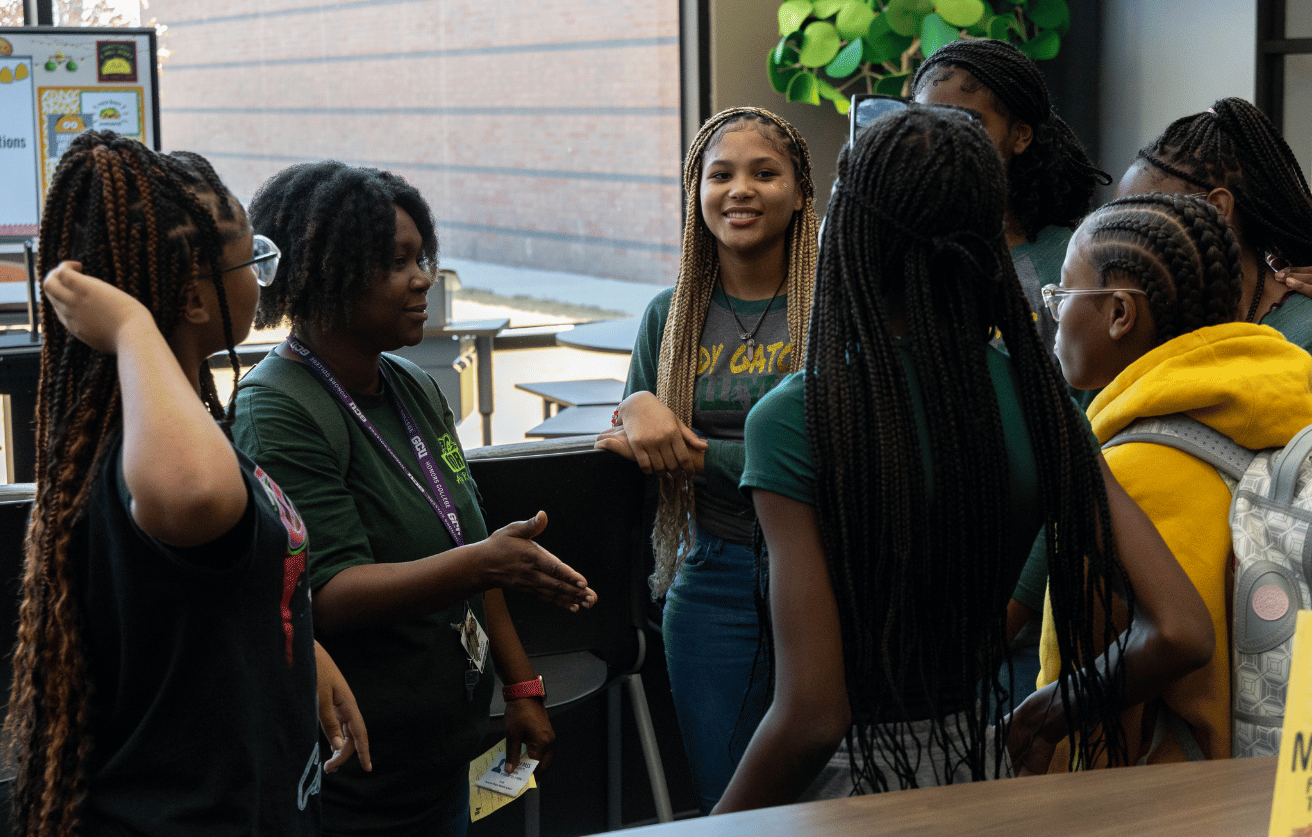
Try a One-Word Check-In. At the start of class, invite students to share one word that describes how they’re coming into the room. They can share verbally, on sticky notes, or even through a shared digital platform.

Follow up by modeling respect: acknowledge responses neutrally, thank students for sharing, and move into the lesson.

Management Connection: This creates space for students to feel acknowledged and for classmates to recognize each other’s perspectives. It also provides you with quick insight into the class’s overall mood—helping prevent minor issues before they grow.

Digital Bytes

Digital Bytes 💻

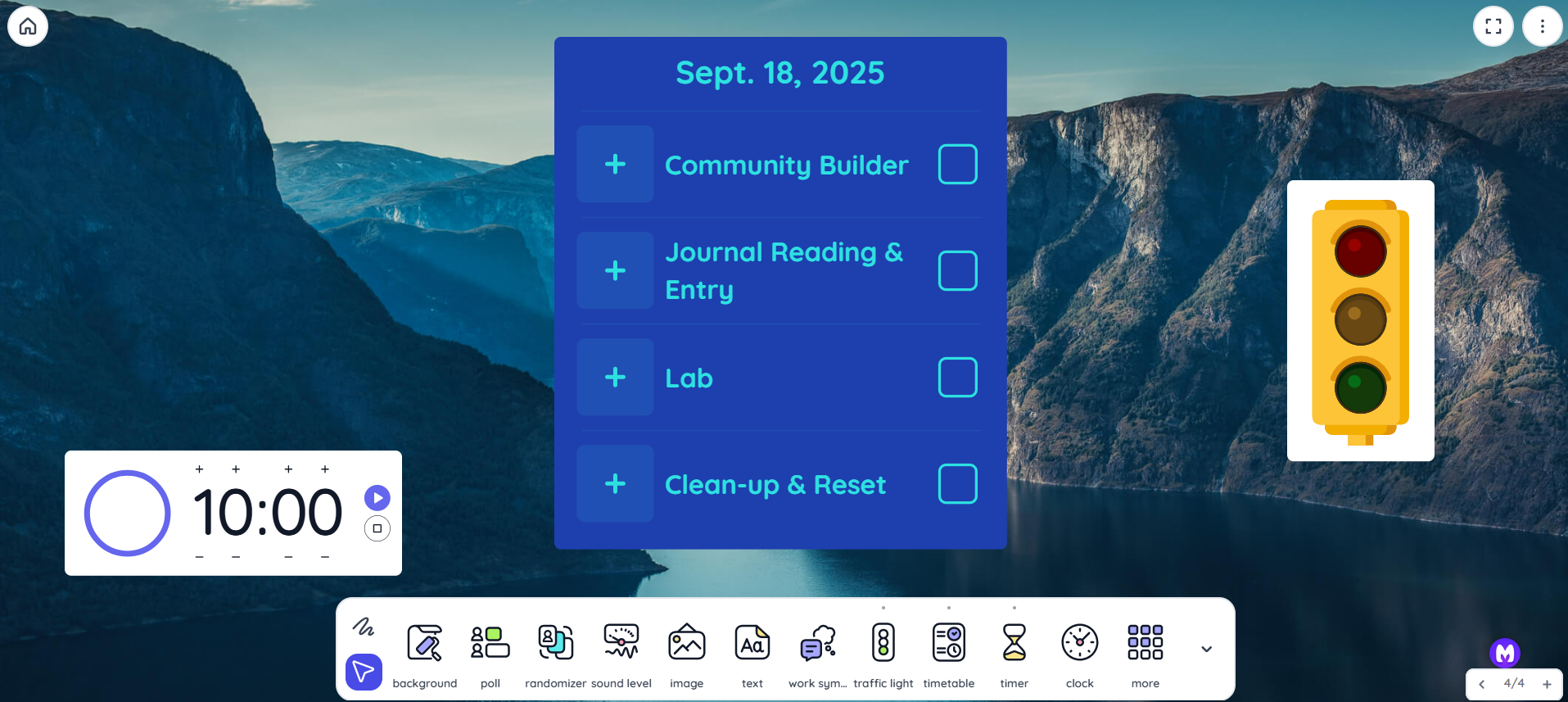
Navigating your classroom for the first time is a major feat. The first few weeks can feel overwhelming. Luckily, the right tools can lighten the load. One tool that can support classroom management routines and procedures is Classroomscreen. This tool is so widely used that it can be found on your MyHumble SSO. It offers a freemium version with 25 widgets, an annotation bar, remote poll voting, and the ability to save name lists. They even have a template library to help you get started with your first screen. 

ClassroomScreen

Why use Classroomscreen? 

Reinforces Expectations 

  • Build daily routines that promote consistency

  • Provide visible structure that students can rely on

  • Encourage independence, accountability, and ownership of learning. (e.g., students know where to find the information they need.) 

A Great Place for Routines and Procedures

  • Post a visual designated place for daily  questions. (e.g.,“What are we doing today?”) 

  • Use the timetable to post your daily schedule to help students anticipate what is coming and aid transitions. 

  • Use the timer or visual timer to keep your pacing on track and support transitions. 

Watch this Screencast Video to see how ClassroomScreen works.

Check-out these other great widgets and more to support your classroom management.

  • Traffic Light: Use it to signal noise expectations without stopping instruction.

  • Group Maker: Save time and reduce arguments when forming groups.

  • Sound Levels: A fun, visual reminder for students to self-monitor volume.

Start with just one widget this week, like the timer or timetable, and build from there. You will quickly see how it transforms routines into smooth systems. Explore all the widgets.

How to set-up your account 

Professional Learning

Have Questions? Contact us!

pl@humbleisd.net

Follow Us on Social Media!

Twitter

Twitter

Instagram

Instagram

Facebook

Facebook