The Power of Meaningful Engagement |
|
|
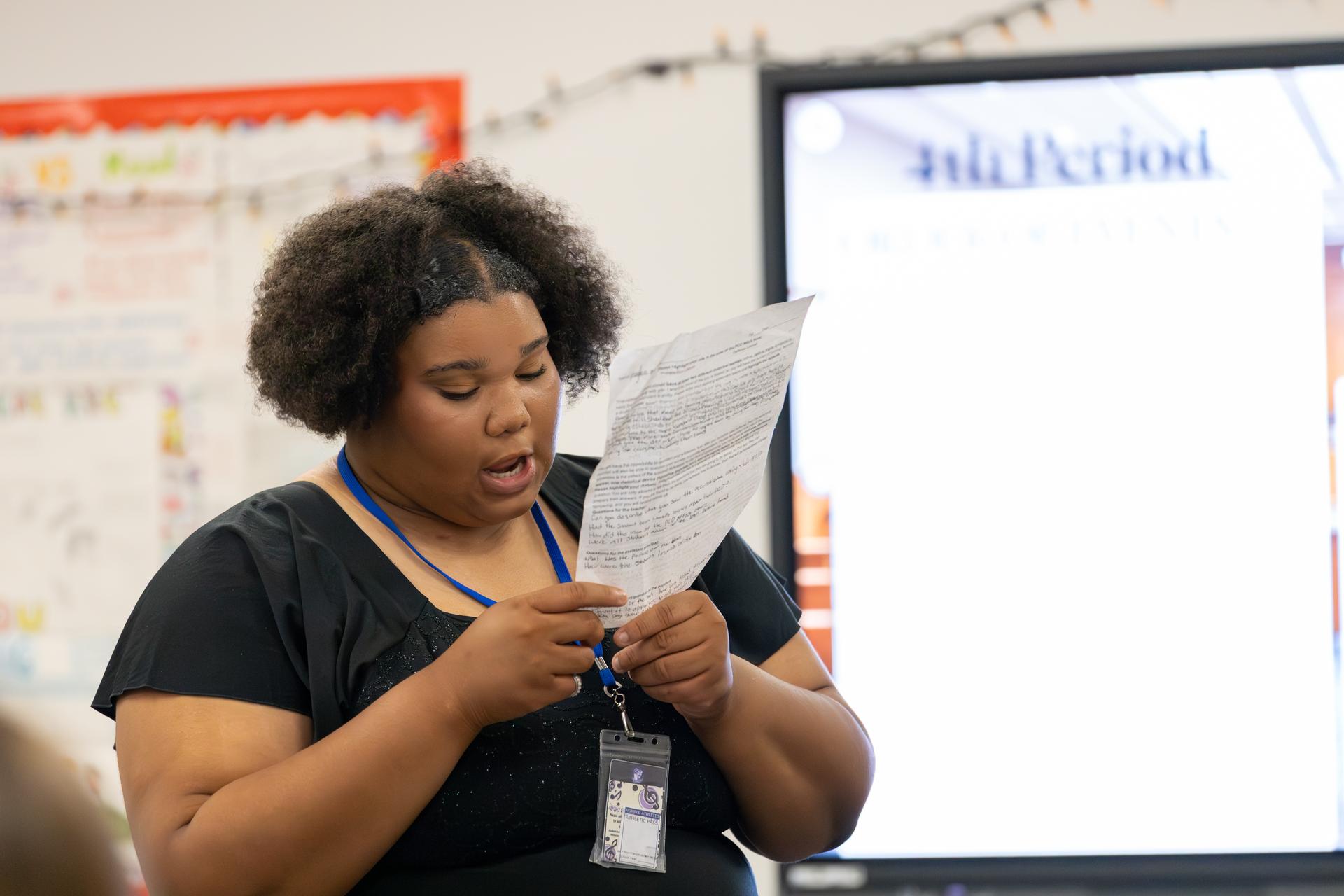
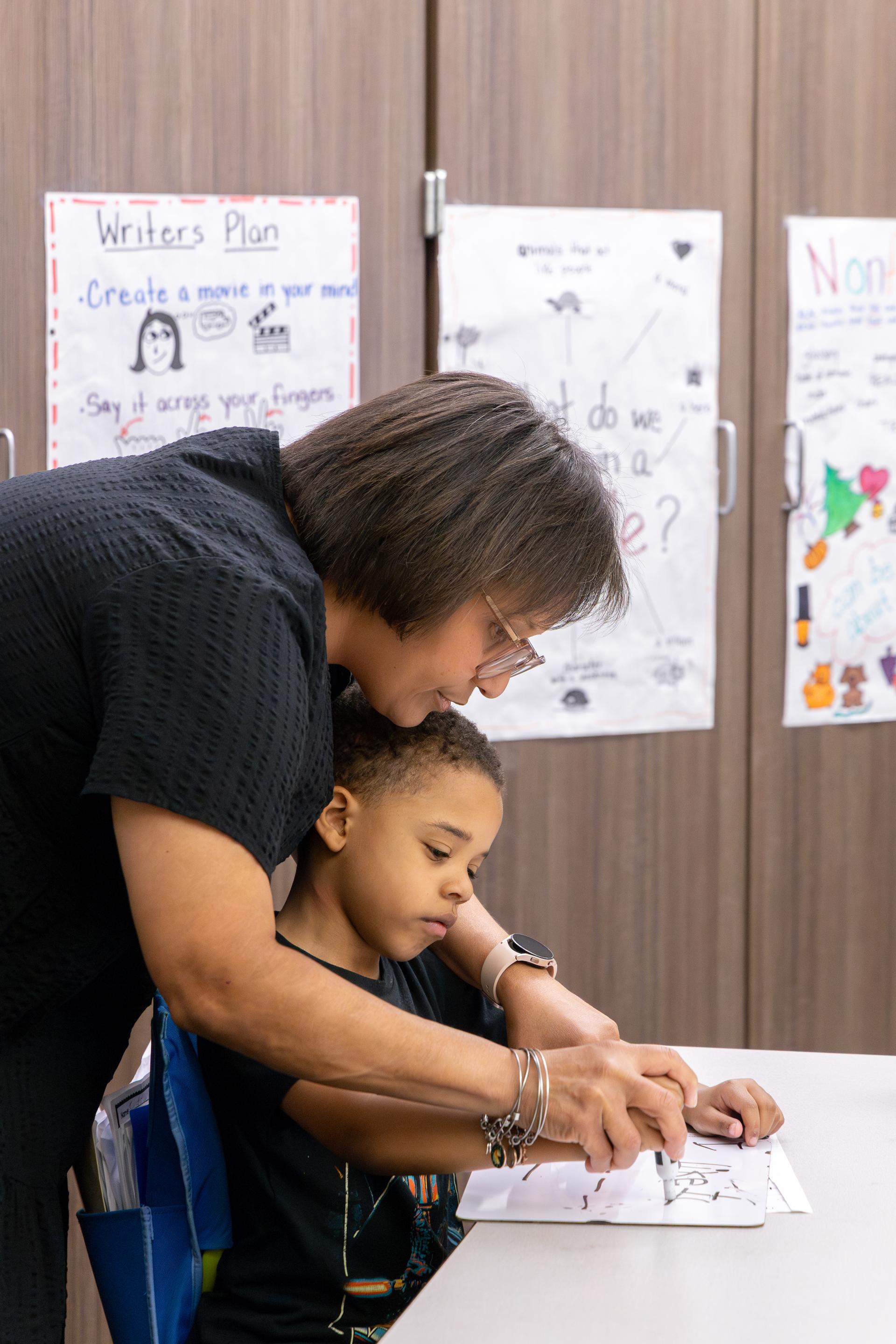
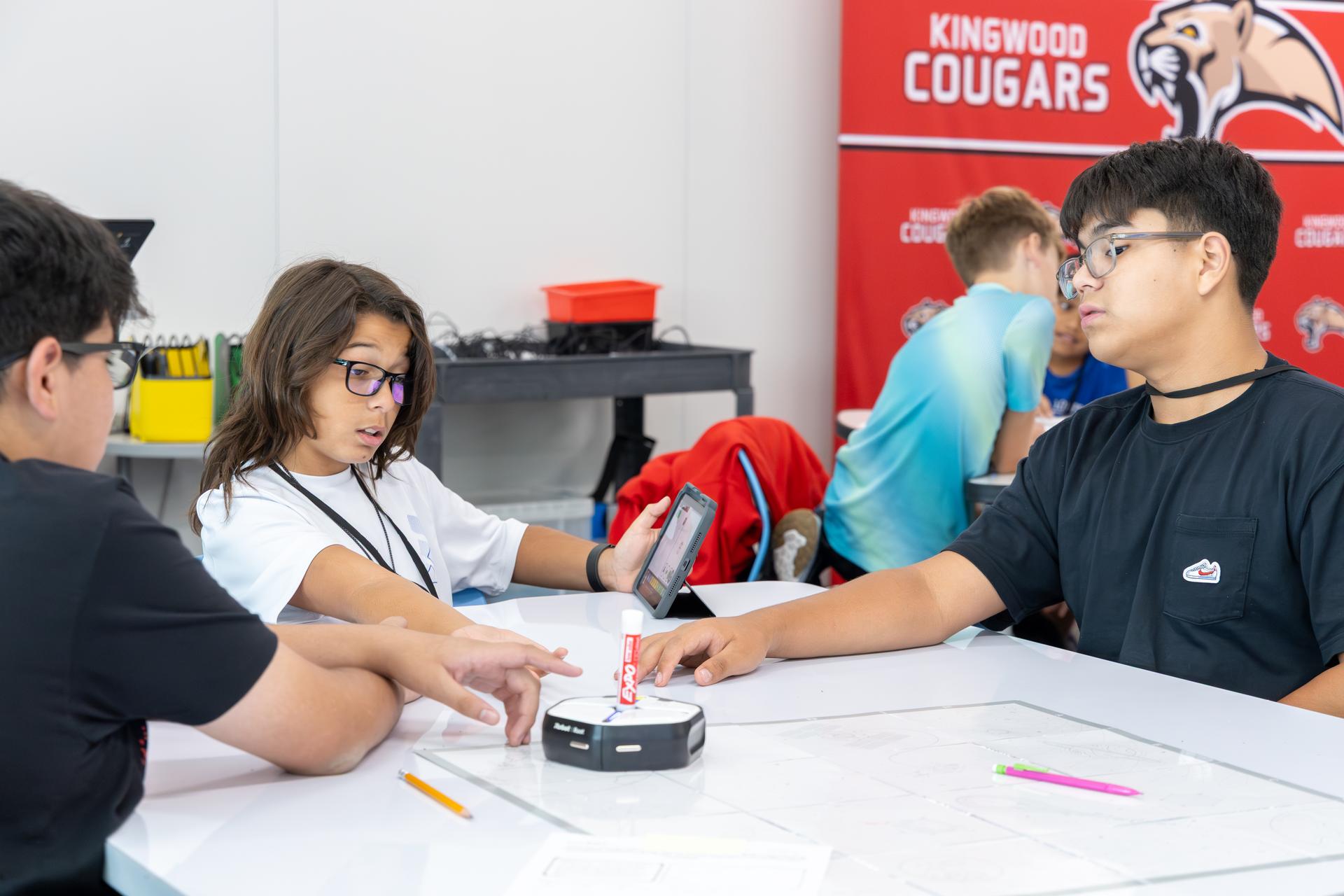
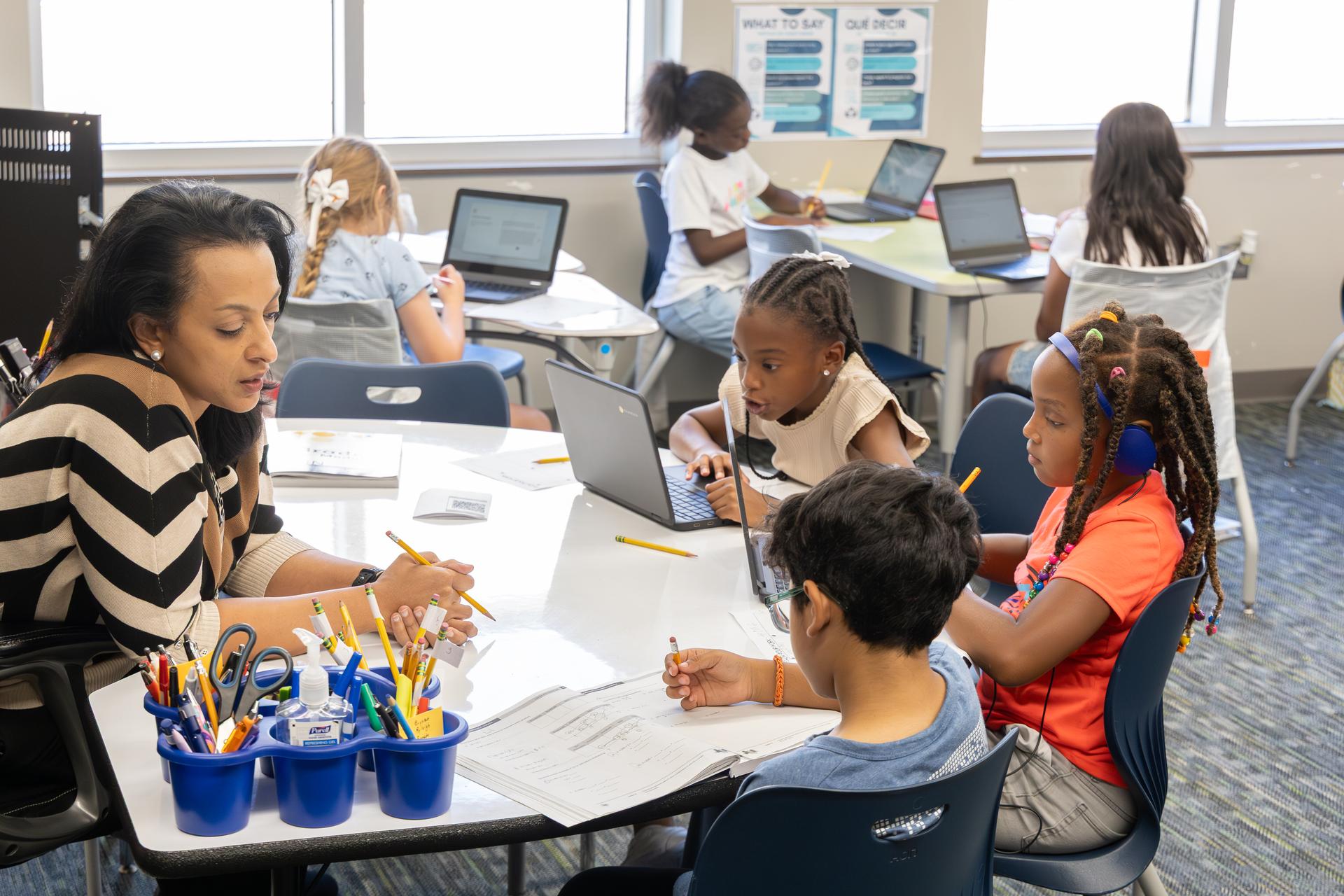
When students are meaningfully engaged, they do more than participate; they think deeply, make connections, and take ownership of their learning. Meaningful engagement happens when instruction is intentionally designed to challenge students’ thinking, connect to their experiences, and make the purpose of learning clear.
In Humble ISD’s High Quality Instructional Tool, meaningful engagement sits at the heart of the Instructional Delivery and Student Engagement domain. It’s what happens when students understand the why behind their work, find relevance in their learning, and are given opportunities to problem-solve, collaborate, and create new meaning.
“Meaningful engagement isn’t about keeping students busy, it’s about keeping them curious.”
In a meaningfully engaged classroom:
- Students understand the purpose of learning in their own words.
- Activities are relevant, authentic, and connected to students’ experiences.
- Discussions and tasks promote higher-level thinking, creativity, and collaboration.
- Learners actively ask questions, explore ideas, and share insights.
Creating this kind of engagement doesn’t require starting from scratch, it starts with small, intentional moves that help students see purpose in what they’re doing.
Meaningful engagement isn’t an event, it’s a mindset. When teachers connect learning to purpose, relationships, and relevance, students don’t just comply; they commit. By designing with intention and teaching with heart, we create classrooms where curiosity thrives and learning lasts.
|
|
|
|
Connect Before You Correct
Meaningful engagement begins with meaningful relationships. When students feel known, valued, and respected, they are more likely to engage in learning and take academic risks.
Take time each day to connect with your students through personal check-ins, positive notes, or lighthearted conversations.
When behavior issues arise, lead with curiosity rather than correction. A quick, “Hey, I noticed you’ve been off your game today, what’s up?” communicates that you care first and correct second. This builds trust and keeps students connected to the learning community.
|
|
|
November 5th: ESL Test Prep |
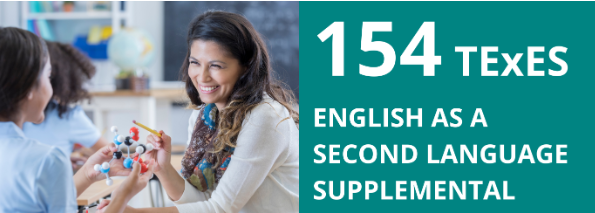
This session is designed to prepare participants for the ESL certification exam. It covers language acquisition theories, educational laws and policies, and effective instructional strategies for supporting emergent bilinguals.
Register on MobileMind.
|
October 28th: Innovation Education Grant Workshop |
|
November 18th: CRASE Training
CRASE Training is required for all district employees to complete within their first year with Humble ISD. This course, designed and built on the Avoid, Deny, Defend (ADD) strategy, provides strategies, guidance and a proven plan for surviving an active shooter event.
Register on MobileMind
|
|
|
|
Submitting Out of District Credit Requests in MobileMind |
Requesting Out of District Credit
On the events tab, look for “External Events.” Click “Request Approval,” and follow the prompts to upload documentation for out of district professional development.
Do NOT select 'I need pre-approval for this event' as this will only slow down your process.
Be sure to include accurate dates and times, proof of attendance, and the types of credit you are requesting, such as off-contract, GT Update hours, ESL, etc. You can select multiple time categories.
Do not submit out of district workshops to both MobileMind AND eduphoria. Please keep your request limited to one platform.
|
|
|
Turn and Talk with Purpose |
Turn and Talk is a classic strategy because it works, but the key is structure and purpose.
Before asking students to turn and talk, frame the task:
1. Set the Focus: “Turn to your partner and share one connection you made to the text.”
2. Set the time: Give 30-45 seconds per partner. Consider the use of visual timers paired with an audible signal when time’s up.
3. Set the expectation: Ask students to be ready to share their partner’s idea, not their own.
This small shift moves students from surface-level conversation to meaningful dialogue, and ensures every voice in the room is heard.
|
|
|
Tech on Purpose: Using Technology to
Enhance, Not Distract, from Learning 💻
Technology can be an incredible learning boost when it enhances instruction, but it can also become a distraction if used without purpose. So how do you know when to bring in tech and when to step back? Start with one simple question:
“What is the desired learning outcome?”
Once you’re clear on what you want students to know or be able to do, you can decide whether technology will strengthen the lesson or complicate it.
|
When Tech Adds Value to Learning |
Use technology when it helps students do something they couldn’t easily do otherwise.
For example, when it:
Boosts engagement - Embedding the interactive whiteboard, polls, and quizzes in a Canva presentation encourages participation.
Provides immediate feedback - Enable automatic feedback responses in Schoology assessment questions.
Personalizes learning - Offer content at different reading levels with Newsela or use Google Read&Write’s “Simplify Page” or “Rewordify” tool.
Supports collaboration -The Google Workspace for Education suite allows students to work together in real time.
Encourages creativity - In Adobe Express, students can create digital posters, podcasts, or videos to show their learning in unique ways.
Improves accessibility - Google Read&Write and OrbitNote provide text-to-speech, translation tools, and other accessibility supports.
|
Avoiding Common Technology Pitfalls |
Sometimes the best tool is no tech tool at all.
Avoid pitfalls like these:
Too many tools: Stick with a few reliable, district-approved applications so students don’t become too overwhelmed.
Assuming students know how: Even “digital natives” need guidance. Model and explain what success looks like.
Passive screen time: Watching or reading online? Pair it with a strategy that activates and gives learning purpose. Consider tools that support note taking, outlining, or summarizing.
Skipping digital citizenship: Use teachable moments to remind students about ethics, safety, and respectful use.
Overlooking device routines – Set clear expectations for device use, attention signals, and monitoring so tech usage stays structured and on-task.
Thoughtful technology use isn’t about having the newest or flashiest tools. It's about choosing the right tool at the right time. When you begin with your learning goal and let technology support that goal, you’ll create lessons that are purposeful, engaging, and empowering for your students.
|
|
|
“Wellness is a connection of paths: knowledge and action.” – Joshua Holtz
Let’s expand our knowledge by watching this 4-minute motivational video:
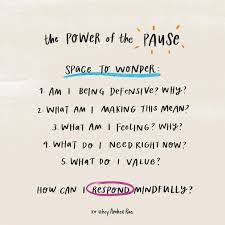
The Power of the Pause
|
WELLNESS TIP of the Month |
WORTHY MOTIVATIONAL MUSIC |
|
|
|
Have Questions? Contact us!
pl@humbleisd.net
|
Follow Us on Social Media!
|
|
|
|